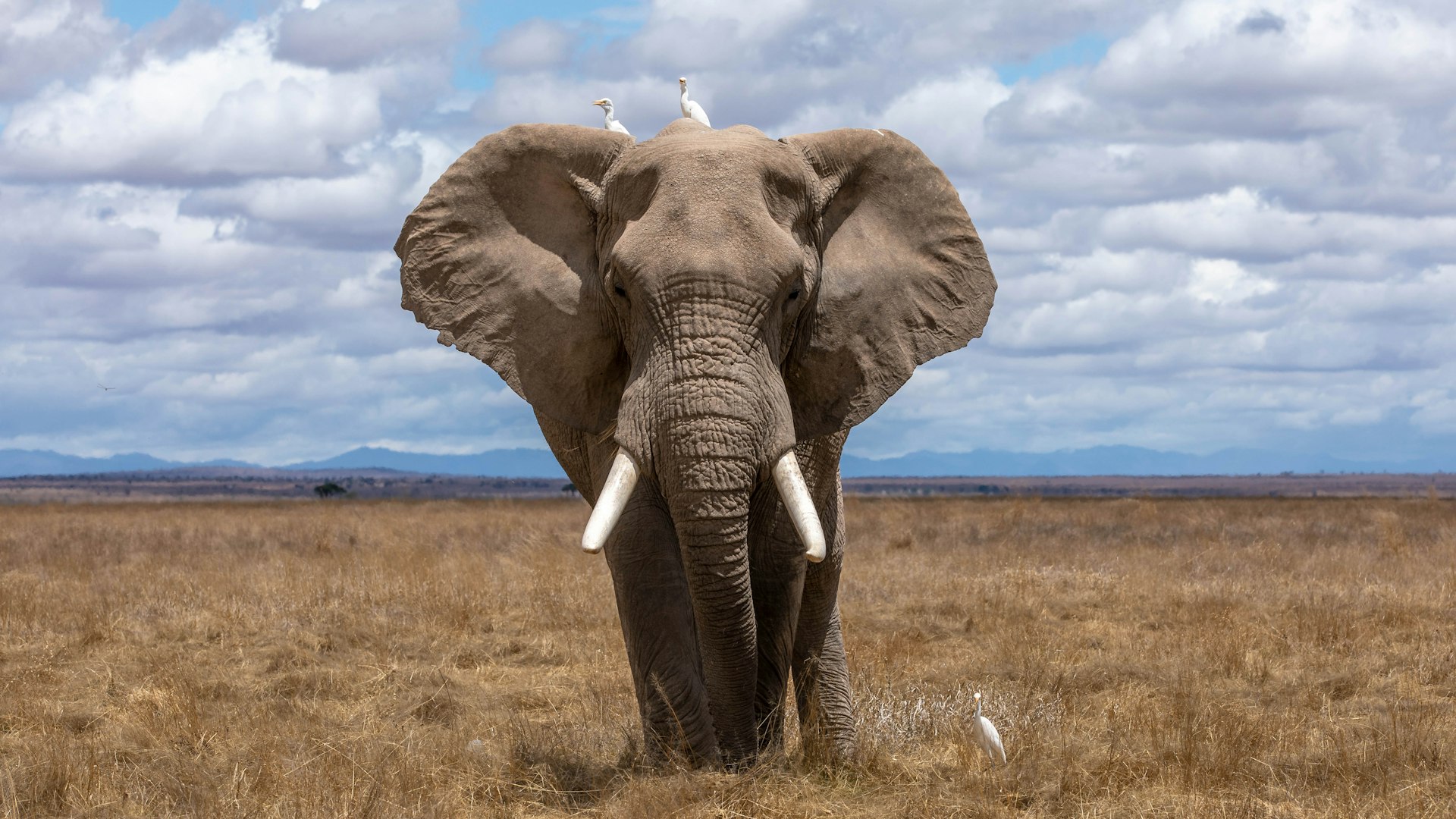
Majestic elephant in wilderness
Under Development

Protecting Lives Through Coexistence

An AI-driven elephant detection system using LiDAR technology to warn drivers and prevent fatal encounters on South Asian roads.

500+ Elephants killed annually
750+ Human deaths per year
#1 Highest HEC death toll
Scroll to explore
Human-Elephant Conflict in South Asia

A preventable tragedy claiming hundreds of lives each year

South Asia faces the world's most severe human-elephant conflict, with devastating consequences for both species.

As habitat fragmentation forces elephants into human settlements, dangerous encounters on roads have become increasingly common. Drivers often have no warning of elephants crossing ahead, leading to fatal collisions that claim lives on both sides.

  • Habitat Loss Rapid development has fragmented traditional elephant corridors, forcing wildlife onto roads and into villages.
  • Night Crossings Elephants frequently cross roads at night when visibility is poor, leaving drivers with no time to react.
  • No Warning Systems Current infrastructure offers no advance warning to drivers in high-risk zones.
Elephant on road at dusk
1,172%
Increase in elephant deaths since 1991
4,837
Elephant deaths in 27 years
1,734
Human fatalities recorded

AI-Powered Detection & Warning System

Cutting-edge technology for wildlife protection

Coexist combines cutting-edge LiDAR sensors with artificial intelligence to detect elephants and alert drivers before dangerous encounters occur.

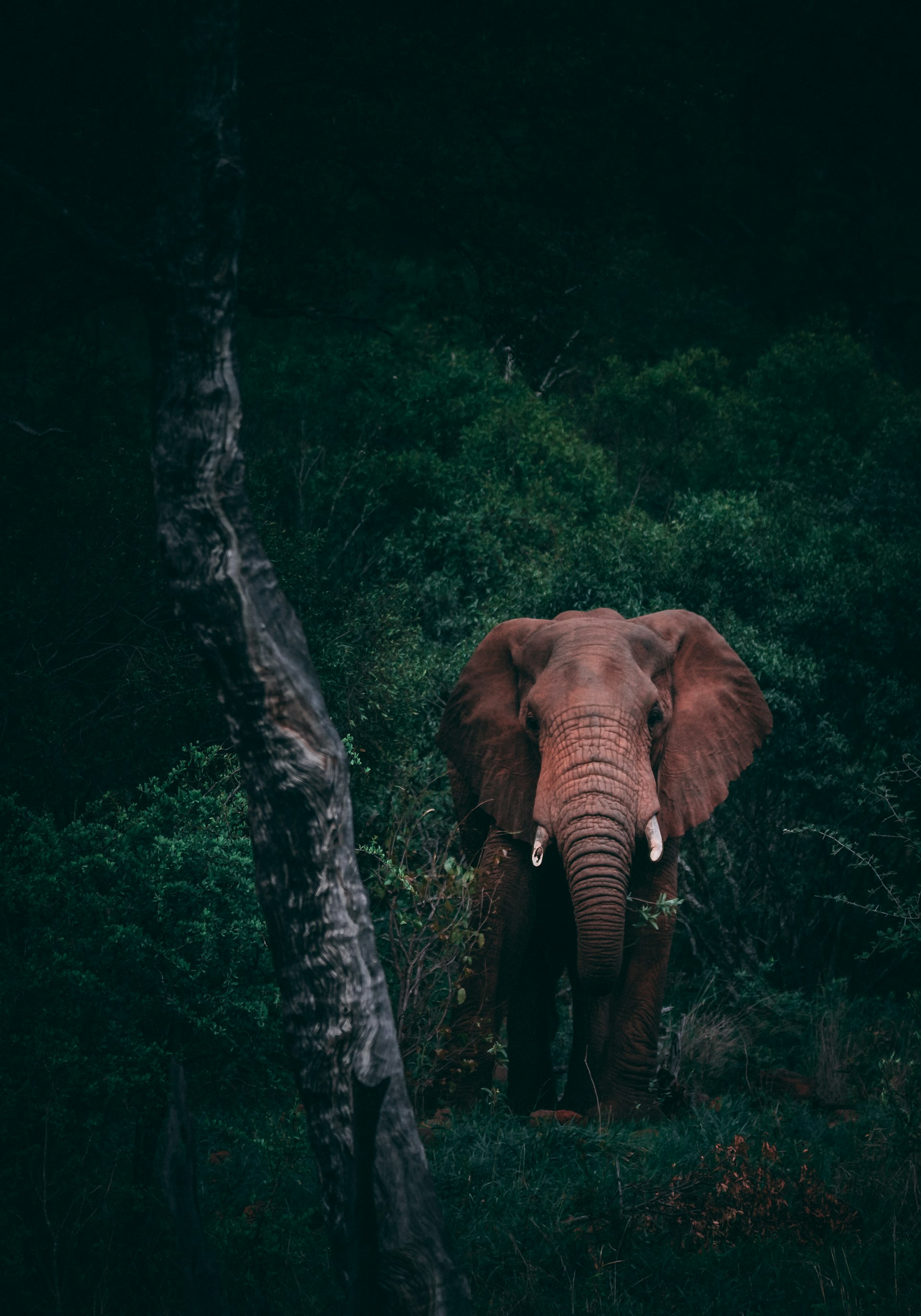
Elephant in misty forest
ELEPHANT DETECTED Distance: 450m
01

LiDAR Detection

High-precision LiDAR sensors continuously scan road corridors, detecting elephants at distances up to 500m — giving drivers time to react safely.

02

AI Classification

Advanced machine learning algorithms accurately identify elephants from other objects in real-time, ensuring zero false negatives.

03

Instant Alerts

When detected, warning systems immediately alert drivers through smart road signage, mobile apps, and connected vehicle systems.

04

Data Insights

Collected movement data helps wildlife authorities understand patterns, informing better land-use planning and conservation strategies.

Active Development

Currently Under Development & Deployment

We are actively developing and testing our detection system in collaboration with local authorities and conservation experts across South Asia.

Awards & Achievements

Recognized by leading global institutions

2025

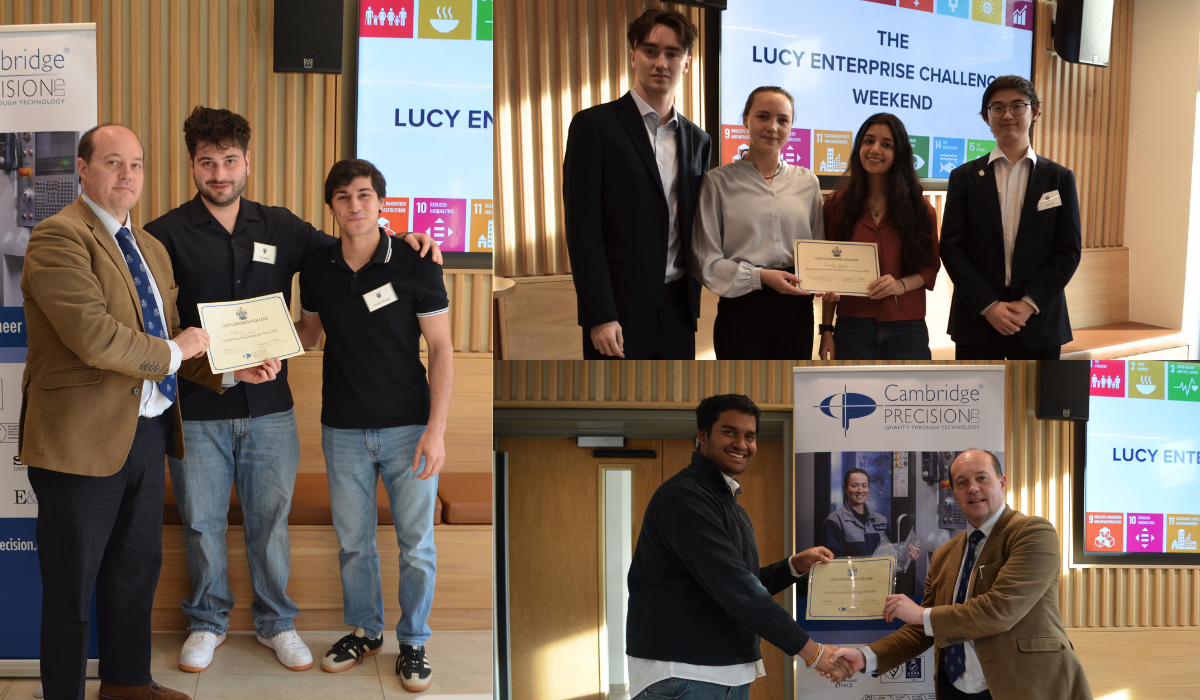
Lucy Enterprise Award

Lucy Cavendish College, Cambridge

Winner of the Undergraduate Prize at the 2025 Lucy Enterprise Challenge, recognizing innovative projects advancing the UN Sustainable Development Goals.

2024

UN Millennium Fellowship

United Nations Academic Impact

Selected from over 52,000 applicants across 170 nations. Only 5% of candidates receive this recognition for advancing the Sustainable Development Goals.

Damsith Wimalasena
Founder & CEO

Damsith Wimalasena

Land Economy graduate from the University of Cambridge, where he served as Vice President of Cambridge University Entrepreneurs and Campus Director for the UN Millennium Fellowship. Also a Global Shaper with the World Economic Forum, committed to leveraging entrepreneurship for social impact.

Cambridge University WEF Global Shaper UN Fellow

In The News

Coverage from leading institutions

Contact Us

Join us in protecting lives

Interested in our work? Whether you're a potential partner, investor, researcher, or simply want to learn more, we'd love to hear from you.

For partnership inquiries, media requests, or to support our mission:

Send Message

References

  1. Prakash, T.G.S.L., et al. (2023). "The human-elephant conflict in Sri Lanka: history and present status." Biodiversity and Conservation, Springer Nature. doi.org/10.1007/s10531-023-02650-7
  2. Gunasekara, M., et al. (2022). "Human–elephant conflict and land cover change in Sri Lanka." Global Ecology and Conservation, ScienceDirect. doi.org/10.1016/j.gecco.2022.e02082
  3. Government of India, Ministry of Environment. (2024). "Human-Elephant Conflict Statistics 2019-2023." Parliamentary Data, Press Information Bureau. Business Standard Report
  4. Mongabay. (2023). "One elephant a day: Sri Lanka wildlife conflict deepens as death toll rises." news.mongabay.com
  5. Perera, P., et al. (2024). "Factors driving human–elephant conflict: statistical assessment of vulnerability and implications for wildlife conflict management in Sri Lanka." Biodiversity and Conservation. doi.org/10.1007/s10531-024-02903-z